
AI for Improved Quality Control.
100% automated quality control checks for quality you can predict – and explain – at scale.
Understand and prevent anomalies upstream
Product quality defects and variability cost more than scrap; they erode trust in your brand.
Our AI-based solutions help you avoid issues before they materialize. Instead of running random quality checks, run 100% automated quality control checks with AI, and send only the ambiguous or strange cases to humans for validation.
Catch deviations early, trace root causes, and continuously refine process control with AI-based machine vision and AI-based physics-aware anomaly detection from telemetry of the production equipment.
The result is increased quality and lower costs.
Beyond quality inspection, our AI solutions offer an even greater advantage. Using AI upstream gives you the tools to explain – and prevent – quality-related issues. Because every prediction is linked to the underlying physical model or physical process, you don’t just know that anomalies occur, you gain actionable insight into why they do.

Interpretable AI for industrial operations
Anomaly detection systems that raise alerts without context leave manufacturing operators and shopfloor technicians to chase false positives or manually diagnose root causes.
Physics-informed, AI-driven anomaly detection goes further. Interpretable AI for industrial operations:
-
Identifies subtle deviations in behavior or performance upstream
-
Pinpoints underlying causes
-
Provides clear, interpretable insights into the relationships between process variables and quality issues
Combining machine learning with domain physics understanding, the system learns both patterns of failure and the cause-and-effect dynamics driving them.
The intelligent diagnostic layer transforms monitoring data (telemetry or images or other data types) into actionable insight so teams can respond faster, reduce downtime, and continuously improve process stability and product quality.
Use case | AI vision for electronics
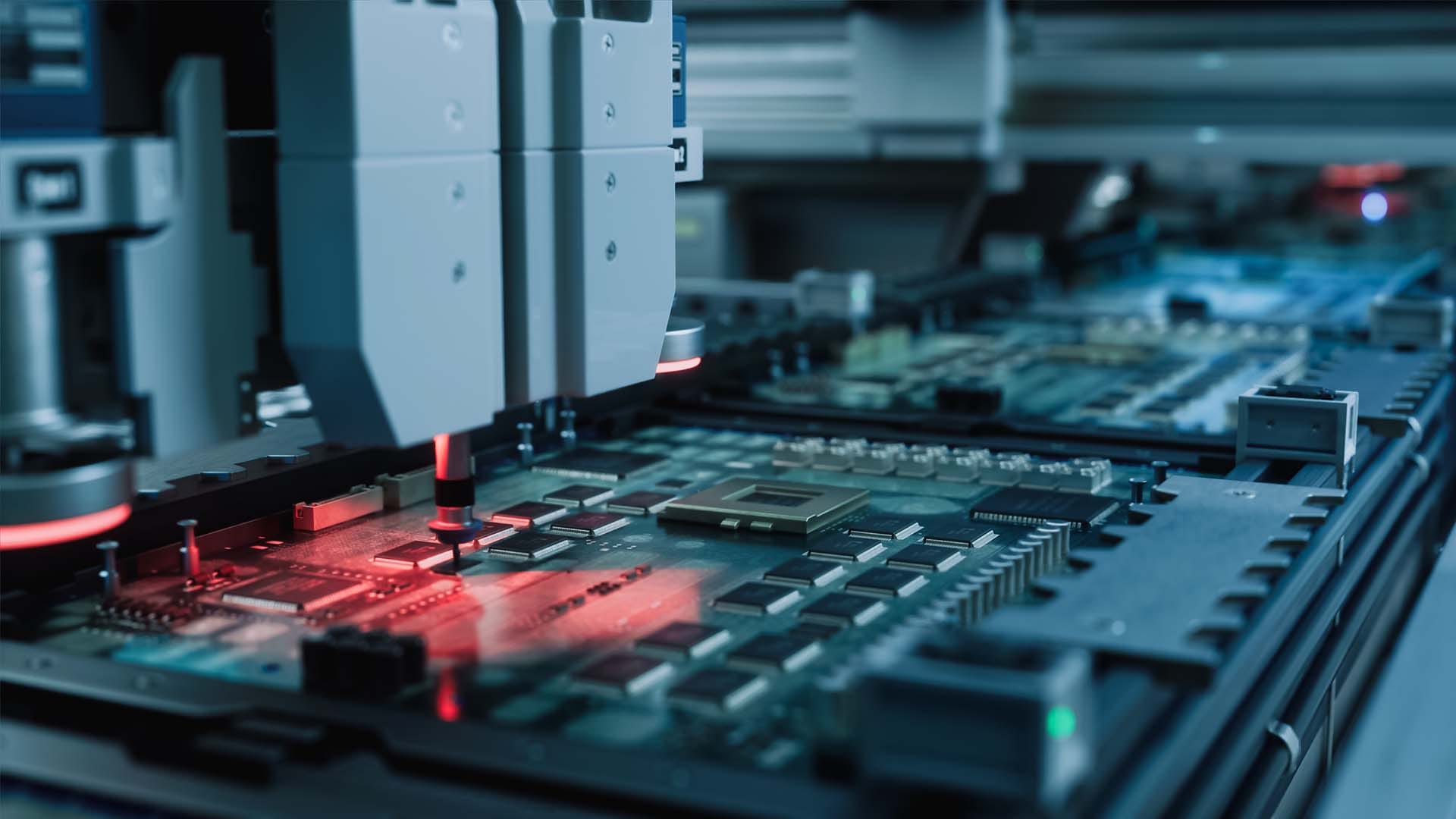
In high-throughput electronics manufacturing, quality can’t depend on manual inspection.
Our AI-powered machine vision systems let you see beyond the surface to achieve near zero-defect electronics.
It will detect most soldering defects, component misalignments, and micro-surface anomalies in real time, even at production-line speeds.
Combining deep learning with physics-informed image processing, AI-based systems adapt to lighting variations, component tolerances, and surface reflectivity to deliver consistent, automated, and traceable quality assurance for PCB and electronics assembly lines.
Use case | AI vision for food and Agritech
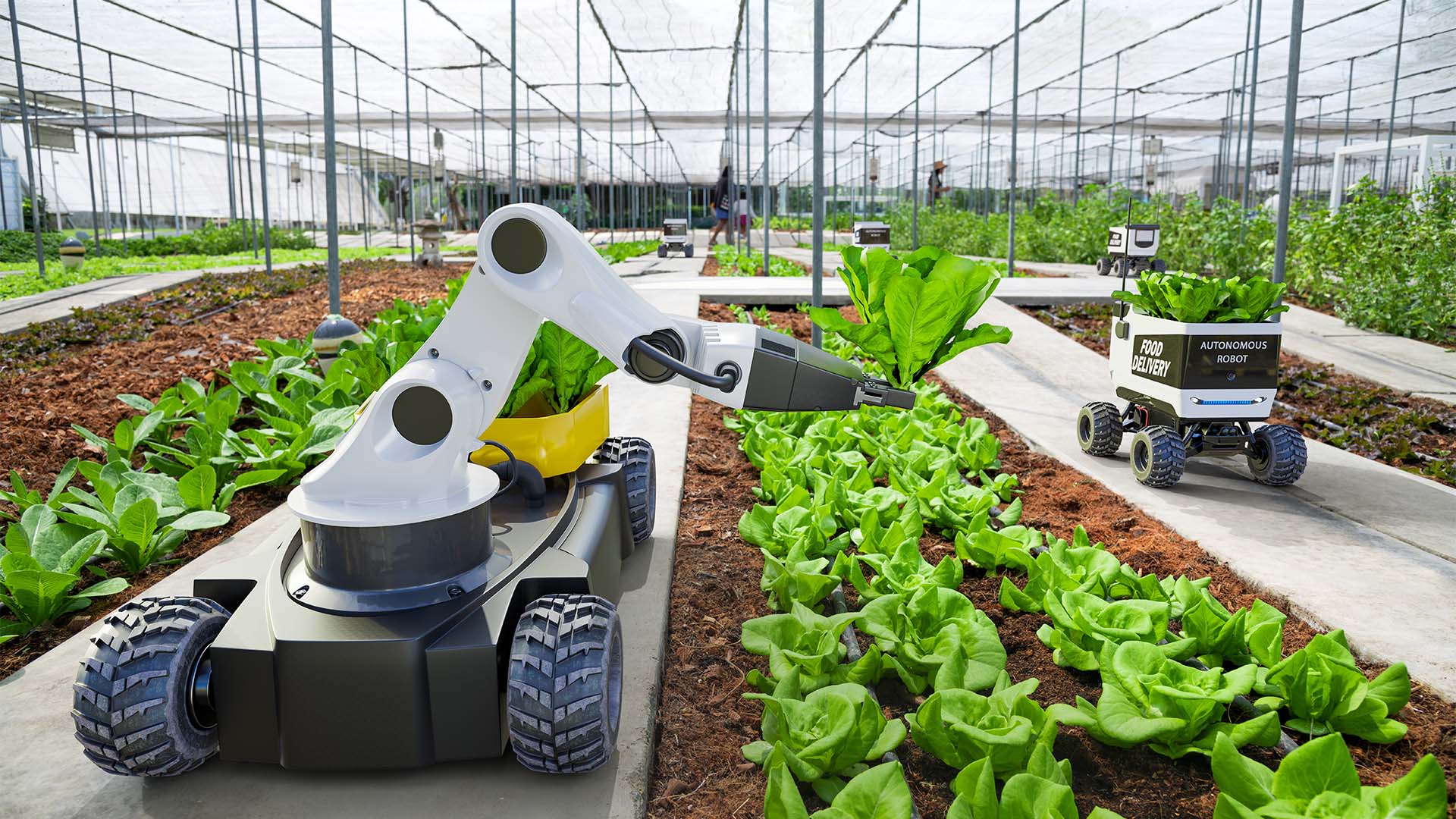
In food processing, speed and precision define profitability. Every millisecond counts in inspection and product sorting.
Our high-speed AI-based vision systems analyze and classify every item – whether it’s a potato, fruit or vegetable, or a foreign body to be removed – in a fraction of a second.
These systems use physics-aware illumination modelling and advanced computer vision algorithms to identify surface defects, size variations and quality grades at line speeds exceeding thousands of units per minute.
The results are clear: attain higher yields with less waste and more consistent product quality – without slowing down production.